How can you ensure, in technical projects, that the choice of material truly meets the requirements?
This question often determines the success or failure of complex industrial undertakings. Making the right material decision requires sound expertise and precise analysis.
This article shows the role that specialised materials consulting plays in modern industrial projects. From the initial materials analysis through to final quality assurance, all the key steps are examined.
Challenges such as temperature resistance, corrosion protection or mechanical load-bearing capacity call for in-depth expertise. The value of professional support becomes particularly clear in the forming of stainless materials or in strain-induced martensite formation. Specialised consulting offers far more than basic recommendations.
Practical examples from various industries illustrate where materials consulting makes the decisive difference. The right process optimisation opens up new possibilities and secures long-term project success.
- The choice of material significantly influences the success of technical projects and requires specialised expertise
- Professional materials consulting covers the entire process chain, from analysis to quality testing
- Complex requirements such as temperature resistance and corrosion protection demand sound expertise
- The forming of stainless materials and martensite formation present particular challenges
- Process optimisation through specialised consulting opens up new technical possibilities
- Quality standards such as ISO certifications ensure reliable consulting services
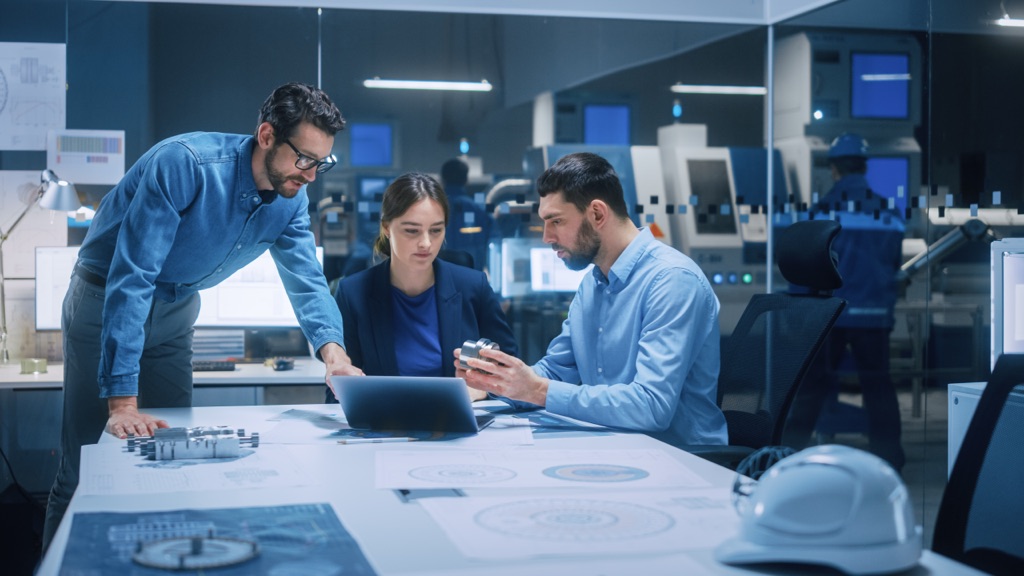
What does professional materials consulting involve?
Materials consulting forms the interface between scientific materials engineering and practical industrial application. It helps companies find the right materials for their specific requirements. This is not only about technical data, but also about economic aspects and production processes.
A consultant analyses the actual conditions in service. They take temperatures, mechanical loads and chemical influences into account. This is how tailored solutions for each project come about.
Fundamentals of materials engineering explained
Materials engineering deals with the properties of different materials. Every material reacts differently to external influences. The chemical composition largely determines the behaviour of a material.
A practical example shows the complexity: stainless steels can change their structure under certain conditions. Under mechanical deformation, martensite sometimes forms. This transformation significantly affects strength and other properties.
Important basic terms in materials engineering include:
- Mechanical properties such as strength, hardness and toughness
- Thermal characteristics such as thermal conductivity and expansion
- Corrosion resistance to various media
- Processing properties for different manufacturing methods
Fields of activity for materials experts
Materials experts work in a wide range of areas. Their materials expertise goes far beyond mere factual knowledge. They combine theoretical knowledge with practical experience from numerous projects.
The main fields of activity break down into several areas:
- Material selection for new products and components
- Process support during development and manufacturing
- Failure analysis in cases of material failure or quality problems
- Testing and characterisation of material properties
- Consulting on heat treatments such as intermediate annealing
Optimising existing processes is also part of their remit. Sometimes costs can be reduced through targeted material changes. In other cases, improving product properties takes priority.
Distinction from general technical consulting
Materials engineering consulting clearly differs from general technical consulting. While the latter often covers many topic areas, materials consulting focuses specifically on material-related questions. This specialisation enables in-depth analyses and precise solutions.
A general consultant can help with organisational or procedural questions. The materials expertise of a specialised expert, however, goes considerably further. They understand the physical and chemical relationships in detail.
The effects of material choice on various aspects are complex:
- Product quality and reliability in operation
- Service life and maintenance intervals
- Cost-effectiveness in procurement and processing
- Compliance with legal regulations and standards
Materials engineering is constantly evolving. New materials and processes continually expand the possibilities. Through research and practice, a specialised consultant always stays up to date.
Why materials engineering consulting makes projects more successful
When projects are to become faster, safer and more economical, there is no way around expert materials consulting. The difference between a satisfactory and an outstanding project result often lies in the expertise applied to material selection and processing. Professional engineering services deliver measurable benefits that have a direct impact on project success.
Working with materials experts opens up three central success factors. These range from avoiding errors and the targeted improvement of product features through to significant time savings.
Accelerating development processes
Time is a precious commodity in product development. Traditional trial-and-error approaches can take months or even years. Every failed attempt delays the market launch and incurs costs.
Sound materials expertise considerably shortens development cycles. Instead of blind experimentation, it enables targeted development. Simulations and experiential knowledge replace time-consuming test series with precise calculations and proven solution approaches.
The development of guidelines for the simulative representation of series processes shows how engineering services optimise development processes. Parameters can be tested and adjusted virtually before a single physical prototype is built. This saves not only time but also considerable material costs.
Benefits of faster development cycles:
- Earlier market launch and competitive advantages
- Reduced development costs through fewer prototypes
- More flexible response to customer requirements
- Faster amortisation of development investments
Service areas of engineering services
A comprehensive service portfolio characterises modern materials consulting. Engineering services in the materials engineering field break down into several specialised core areas. Each of these areas helps to achieve optimal results in development and production.
Material selection and specification form the basis of many projects. Experts identify the most suitable materials for specific applications. In doing so, they take mechanical requirements, environmental conditions and economic factors into account.
Material characterisation provides precise data on material properties. Mechanical tests determine strength, hardness and toughness. Chemical analyses determine the exact composition. Microscopic examinations reveal microstructures and possible weak points.
Process consulting optimises manufacturing methods along the entire processing chain. The following areas are the focus here:
- Forming processes and their material-appropriate design
- Heat treatment with the development of temperature control concepts
- Intermediate annealing for stress reduction
- Surface treatments for improved properties
- Shear cutting processes and their transferability
Failure analysis and fault diagnostics identify the causes of material failure. Systematic investigations reveal weak points. From these, consultants develop effective remedial strategies and preventive measures.
Development support assists companies from the concept phase through to series readiness. Materials consulting draws up guidelines for the simulation-based representation of processes. These notes make it easier to transfer findings to series processes.
Training and knowledge transfer enable staff to handle materials properly. Practical training conveys important fundamentals. This creates in-house know-how that secures quality over the long term.
Typical fields of application in industry
Modern industrial consulting in the field of materials supports companies in a wide variety of sectors. Each industry places specific demands on materials and their properties. The range extends from lightweight components to high-temperature-resistant specialty materials.
The automotive industry uses materials engineering consulting for a wide range of challenges. Lightweight components reduce vehicle weight and lower fuel consumption. Wear protection coatings considerably extend the service life of critical components.
Thermal spray processes enable functional surface coatings in automotive engineering. These coatings provide protection against corrosion, abrasion and extreme temperatures. Materials consulting helps in selecting suitable methods and materials.
Mechanical engineering benefits from expert knowledge in developing high-load components. Components must withstand extreme conditions such as high pressures, temperatures or chemical influences. The forming of stainless steel sheet materials requires precise material understanding.
The aerospace industry places particularly high demands on the materials used. Reducing weight while increasing strength remains a central challenge. Temperature resistance plays a decisive role in engine components.
The energy sector requires corrosion-resistant and high-temperature-resistant materials for various applications. Power plants, wind turbines and geothermal plants operate under demanding conditions. District cooling and district heating systems require durable material solutions for piping.
Medical technology requires biocompatible materials with precise properties. Implants must be tolerated by the body and at the same time be mechanically robust. Sterile surfaces and chemical resistance are further important criteria.
The chemical industry relies on chemical-resistant materials for apparatus and piping. Aggressive media must not attack or damage plant components. Material selection directly influences operational safety and cost-effectiveness.
Plant engineering combines various material requirements in complex systems. Different components each require tailored material solutions. The construction industry uses consulting for durable and economical material solutions in infrastructure projects.
These examples clearly show the breadth of industrial consulting in the materials engineering field. Every field of application brings specific challenges with it. Expert consulting develops the right solution for each application case.
<div
How a materials engineering consultation proceeds
Every consulting project in the field of materials engineering goes through several coordinated phases. This structured approach ensures that all relevant aspects are taken into account. From the first conversation to successful project implementation, materials experts guide their clients through a clearly defined process.
The procedure is always based on the individual requirements of the respective project. Flexibility and technical depth go hand in hand. This is how a tailored solution comes about that combines technical requirements with economic objectives.
Needs analysis and requirements profile
At the outset there is a detailed conversation between consultant and client. In this first step, all project-relevant information is systematically recorded. Which mechanical, thermal or chemical loads must the material withstand?
Materials experts also determine the applicable standards and regulations for the specific field of application. Economic conditions such as budget and timeline are likewise included in the assessment. The requirements of various stakeholders are also coordinated in this phase.
A detailed requirements profile emerges from all the information gathered. This document serves as the binding basis for all further project steps. It ensures that everyone involved has a shared understanding of the project objectives.
Solution development and conception
On the basis of the requirements profile drawn up, the consultants develop concrete solution proposals. In doing so, suitable materials are identified and appropriate processing concepts are worked out. Theoretical expertise is combined with practical experience from comparable projects.
In many cases, simulations are also used to predict material behaviour under real conditions. The experts create, for example, tooling concepts, cooling concepts or temperature control concepts. Alternative solution approaches are systematically evaluated and compared with one another.
The optimal variant is selected on the basis of objective criteria. Technical feasibility, cost-effectiveness and risk minimisation play a central role here. The result is a mature concept with clear implementation recommendations.
Support during implementation
Professional materials engineering consulting does not end with the delivery of a recommendation. The consultants also accompany their clients during the practical realisation of the project. This continuous support considerably increases the probability of success.
During the implementation phase, the materials experts are available for queries. They monitor critical process steps and intervene to steer the process when necessary. If unforeseen challenges arise, they develop suitable solutions together with the client.
This holistic approach ensures that theoretical concepts actually work in practice. The consultants also draw up guidelines and notes for later transferability to similar processes. Documentation and knowledge transfer round off the consulting service.
Quality assurance as a core competence of materials consulting
Without systematic quality assurance, materials engineering consulting loses its credibility. Clients expect measurable and verifiable results. This is why standardised quality processes form the basis of any professional materials consulting.
Quality assurance encompasses all measures to ensure reliable consulting services. It begins with sampling and ends with the final documentation. Only through consistent checks do usable analysis results come about.
Standardised test methods for reliable results
Mechanical test methods provide concrete characteristic values for material properties. The tensile test determines the strength and elongation of a material. Hardness tests show resistance to mechanical stress.
Non-destructive tests detect internal defects without damaging the component. Ultrasonic tests make cracks and cavities visible. X-ray examinations look through complex structures.
Chemical analyses determine the exact material composition:
- Spectral analysis for alloying elements
- Wet chemical methods for precise element determination
- Mass spectrometry for trace elements
- Emission analysis for rapid material identification
Recognised evidence of consulting competence
Laboratories with accredited methods guarantee the reliability of test results. The German accreditation body DAkkS confirms competence in accordance with ISO 17025. This accreditation is subject to regular reviews.
Certified quality management systems create trust with the client. ISO 9001 defines the requirements for quality processes. Industry-specific certifications complement this foundation.
Important quality standards in materials consulting:
- ISO 17025 for testing and calibration laboratories
- ISO 9001 for quality management systems
- Industry-specific standards such as IATF 16949
- Customer-specific requirements from industry
Complete records for traceability
Complete documentation enables the traceability of all analysis steps. Each sample is given a unique identifier. Test parameters and measurement results are recorded in detail.
Test reports contain all relevant information on material and method. They document the standards and measuring instruments used. Signatures of the responsible testers confirm the results.
This documentation serves several purposes at once. It serves internal quality assurance and external evidence obligations. Expert reports and certificates form the basis for product approvals and warranties.
Digital archiving systems ensure the long-term availability of test data. Many industries require retention periods of ten years or longer. The structured filing enables quick access in the event of queries.
Important criteria when selecting a consulting partner
Various quality characteristics help in finding the optimal partner for materials engineering questions. The right choice contributes decisively to project success. Certain factors enable a sound assessment of potential service providers.
A systematic examination of relevant criteria creates transparency. This makes it possible to objectively compare the strengths and focal points of different providers. Materials expertise plays a central role here for the later collaboration.
Technical competence and practical experience
A sound academic education forms the basis for qualified materials consulting. Many experts hold a university degree in materials engineering or related disciplines. A doctorate or several years of professional experience further underscores their technical qualification.
Theoretical knowledge alone, however, is not enough. Practical experience with real projects shows how consultants solve complex tasks. Material characterisation requires both methodological understanding and skill in handling different materials.
Specialisations in particular material groups can be an advantage. Some consultants concentrate on metals, others on plastics or composite materials. Continuous further training shows that specialists keep up with current developments.
Research activities and publications attest to scientific competence. They show that consultants work at the cutting edge of technological innovation. This industrial consulting combines scientific findings with practical requirements.
Technical infrastructure and laboratory equipment
High-quality test equipment is a prerequisite for precise examinations. Modern measurement technology enables detailed analyses of material properties. Accredited laboratories additionally guarantee compliance with international standards.
The availability of special equipment can be decisive. Not every laboratory has all the required test facilities. Some examinations require specific equipment for temperature, pressure or corrosion tests.
Broad technical equipment increases flexibility in problem solving. Simulation software usefully complements experimental methods. The combination of various analysis methods provides comprehensive insights into material properties.
Regular calibration and maintenance ensure measurement accuracy. Investments in modern technology demonstrate a commitment to quality. This technical infrastructure forms the foundation of reliable consulting services.
Industry knowledge and reference projects
Industry-specific knowledge of requirements and standards is valuable. Different industries place different demands on materials. The automotive industry has different priorities than the energy sector or mechanical engineering.
Reference projects from similar areas demonstrate practical experience. They prove that consultants are familiar with comparable challenges. Successful research collaborations and process optimisations document the level of performance.
Customer feedback provides insight into working methods and reliability. Positive reviews from previous clients speak for competence. Materials expertise shows itself particularly in the successful solution of complex tasks.
Networks with research institutions and industrial partners expand the scope for action. They provide access to additional know-how and resources. This industry knowledge, combined with demonstrable project experience, considerably eases the selection of the right partner.
The investment in qualified consulting pays off many times over. Projects are realised faster. Risks can be minimised early on. Competitiveness increases through optimised materials and processes.
From the automotive industry to the energy sector, the universal importance of sound materials expertise becomes clear. Quality assurance according to recognised standards ensures reliable results. The selection of the right consulting partner should take technical competence, technical equipment and industry experience into account.
Companies benefit from the integration of various disciplines in materials engineering consulting. Simulation, testing technology and process optimisation interlock. Support from the first concept through to final implementation secures project success. Anyone wishing to master complex challenges needs professional support in materials engineering.